The best way to learn wine is to taste it.
Why I Created 100 Wines
I created 100 Wines because when I first started getting into wine, this is the tool I wish I had.Wine can seem complicated, and wine education can feel out of reach. Classes, certifications, and formal programs can get expensive fast. But I do not believe wine should only be for people who can afford to take WSET courses or sommelier exams. It should not only be for professionals.There is more free wine information available now than ever before. Google is free. Many great wine websites are free. The hard part is not finding information. The hard part is learning how to taste mindfully, pay attention, and remember what you actually enjoyed.100 Wines: A Guide to Building Your Palate was made to help with exactly that.The short guide in the front helps you get started with simple tasting concepts, plain-language wine terms, and a practical way to think about what is in your glass. The 100 tasting pages make it easy to stay organized as you record what you drink, what you notice, and whether you would buy the wine again. The notes pages in the back give you space to track favorites, patterns, questions, and anything else that matters to you.This is more than a book of blank note pages. It is a personal guide to building your palate.Taste 100 wines. Take simple notes. Learn what you love.And most importantly, you are in charge of the journey.
Who is Michael Caputo?
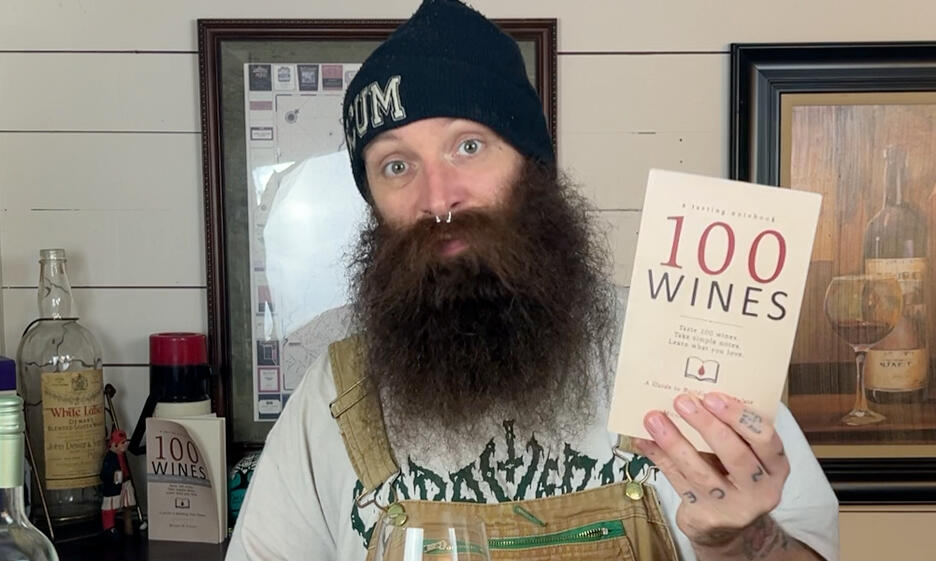
I’m Michael Caputo, the author and creator behind 100 Wines: A Guide to Building Your Palate. I work professionally in the wine industry with Empire Wine, where my work has included wine writing, product research, customer recommendations, and video content.I hold the WSET Level 2 Award in Wines and am an Executive Bourbon Steward, with additional study across wine, spirits, tasting, and beverage education.Through 100 Wines, I document my own continuing wine education through tastings, blind tests, comparisons, and plenty of wrong guesses along the way. My approach is simple: learning wine should be less about memorizing rules or trying to sound like an expert and more about helping everyday wine drinkers taste widely, pay attention, and figure out what they actually like.My goal is to make wine feel accessible to people who may not see themselves reflected in traditional wine culture — including those who don’t look, dress, talk, or live like the stereotypical “wine person.” Wine knowledge doesn’t come with a uniform, and neither should wine culture.